Cervicogenic Dizziness: Causes and Chiropractic Treatment Options

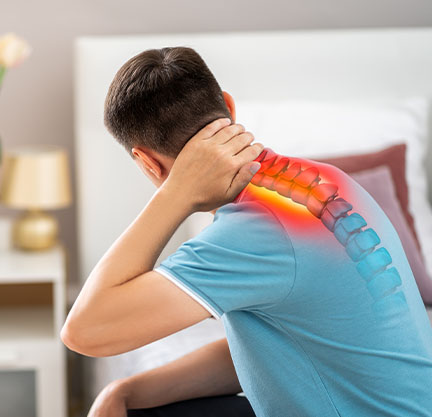
Cervicogenic dizziness is a condition that causes sensations of vertigo or lightheadedness due to issues in the cervical spine (neck). Unlike other forms of dizziness, cervicogenic dizziness originates from the neck, often due to joint dysfunction, muscle tightness, or nerve irritation in the cervical region. The symptoms can be distressing and interfere with daily activities, leading to a significant decrease in quality of life.
Cervicogenic dizziness is often the result of poor posture, spinal misalignments, or degenerative changes in the neck that disrupt the normal function of the neck’s muscles and joints. This dysfunction can send incorrect signals to the brain regarding balance, causing a sensation of dizziness or vertigo. Some individuals may experience symptoms such as:
Conditions such as whiplash injuries, degenerative disc disease, or muscle tension in the neck are common culprits of cervicogenic dizziness. These issues can irritate the nerves and affect the vestibular system (responsible for balance), leading to dizziness symptoms.
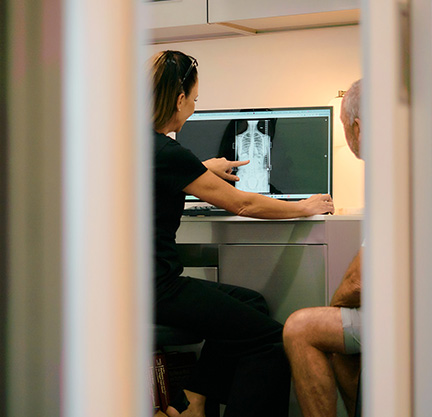
At The Barefoot Chiro, we offer chiropractic treatments aimed at identifying and treating the root cause of cervicogenic dizziness. By focusing on the cervical spine and the surrounding muscles, our goal is to relieve pressure on the nerves, restore proper joint function, and improve the communication between the neck and the brain.
Chiropractic adjustments play a key role in treating cervicogenic dizziness. Through targeted spinal manipulation, we can realign the cervical spine, reduce joint dysfunction, and restore proper movement. By improving spinal mobility and reducing nerve irritation, we can help alleviate dizziness symptoms and promote better balance and coordination.
Soft tissue therapy is also an effective part of the treatment plan for cervicogenic dizziness. Techniques like dry needling and Instrument Assisted Soft Tissue Mobilization (IASTM) can target muscle tightness in the neck and upper back, helping to release tension, reduce inflammation, and improve blood flow to the affected areas. This helps to reduce the intensity and frequency of dizziness episodes.
We understand that cervicogenic dizziness is a complex condition, and treatment must address the full range of contributing factors. Chiropractic care is a key component of managing dizziness, but a holistic approach that includes exercise rehabilitation, posture correction, and lifestyle adjustments is essential for long-term relief. At The Barefoot Chiro, we create personalized treatment plans tailored to each patient’s specific needs. Our goal is not only to alleviate dizziness but also to help you regain stability, improve function, and restore your confidence in daily activities.
If you’re experiencing dizziness that you suspect may be related to your neck or spine, chiropractic care can be a safe and effective treatment option. We’re here to help you regain control of your health and feel steady once again.