Hip Pain
Understanding Hip Pain, SIJ Pain, and Pubic Symphysis Pain: Similarities and How Chiropractic Care Can Help
Hip pain, Sacroiliac Joint (SIJ) pain, and pubic symphysis pain can all present similarly, with discomfort in the lower back, hips, and pelvis. These conditions often overlap in their symptoms, making accurate diagnosis and treatment essential. Here’s an overview of how they manifest and how a chiropractor can assess and differentiate them to provide effective care.
What is Hip Pain?
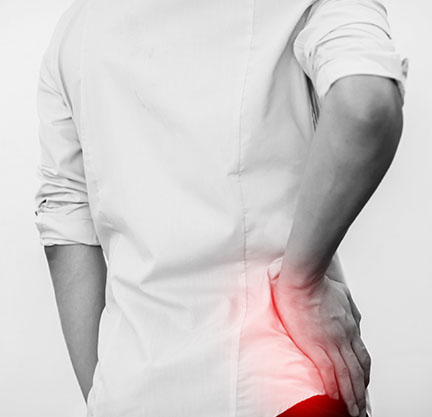
Hip pain is commonly associated with issues in the hip joint itself, such as arthritis, labral tears, or hip impingement. The pain is usually felt in the groin, thigh, or front of the hip and may radiate into the lower back, buttocks, or knee. Movements such as twisting, bending, or rotating the hip may worsen the pain.
What is Sacroiliac Joint (SIJ) Pain?
SIJ pain occurs when the sacroiliac joints, located at the base of the spine, become inflamed or dysfunctional. The pain is typically felt in the lower back, buttocks, or pelvis and can radiate down the legs. It may be aggravated by activities that involve standing on one leg, twisting, or sitting for prolonged periods.
What is Pubic Symphysis Pain?
The pubic symphysis is a joint located at the front of the pelvis. Pubic symphysis pain typically results from inflammation, injury, or excessive strain on the joint, often occurring during pregnancy, postural imbalances, or pelvic trauma. The pain is typically felt in the pubic region and may radiate to the lower abdomen, groin, or inner thighs. Activities like walking, climbing stairs, or changing positions can trigger discomfort.
Similarities in Presentation
These three conditions—hip pain, SIJ pain, and pubic symphysis pain—can present with overlapping symptoms, making it challenging to differentiate between them without a thorough assessment. Common signs include:
- Pain in the lower back, hips, groin, or pelvis
- Discomfort that worsens with certain movements (e.g., bending, twisting, sitting, or walking)
- Difficulty with activities such as standing on one leg, climbing stairs, or performing daily motions
- Radiating pain that can extend into the thighs or lower back
Because of the overlapping nature of these symptoms, it’s essential to determine the exact cause to provide the most effective treatment.
How Chiropractors Assess and Differentiate These Conditions
A chiropractor uses a combination of physical examination techniques and diagnostic tools to differentiate between hip pain, SIJ pain, and pubic symphysis pain. Here’s how they approach the assessment:
- Detailed Patient History: A chiropractor will begin by asking questions about your symptoms, medical history, and any activities or injuries that may have contributed to your pain. Understanding whether the pain is related to an injury, posture, or pregnancy can provide valuable insights.
- Physical Examination: The chiropractor will perform a series of physical tests and movements to assess joint function, muscle strength, and flexibility. By observing how the body moves and reacts during specific tests, they can pinpoint the source of the pain.
- For SIJ Pain: Specific tests like the Gaenslen’s Test or Fortin Finger Test help identify pain originating from the sacroiliac joints.
- For Hip Pain: Range of motion tests, such as the Faber Test or Hip Scour Test, assess the hip joint’s function and help identify labral tears, impingement, or arthritis.
- For Pubic Symphysis Pain: The chiropractor may perform tests such as the Patrick’s Test (also known as the Faber Test) or palpation of the pubic symphysis to detect inflammation or tenderness in the area.
- Differential Diagnosis: By carefully evaluating the patterns of pain and conducting targeted physical tests, the chiropractor can differentiate between these conditions. For instance:
- If pain is felt primarily in the groin or thigh and is aggravated by specific hip movements, it likely indicates a hip joint issue.
- If the pain is localized to the lower back, buttocks, and worsens with specific weight-bearing movements, it points to SIJ dysfunction.
- If the pain is centered around the pubic bone, with discomfort in the pelvic area during walking or certain movements, it may be related to pubic symphysis dysfunction.
How Chiropractic Treatment Helps
Once the chiropractor has accurately diagnosed the condition, they will create a personalized treatment plan that may include a combination of the following techniques:
- Joint Adjustments: Chiropractors perform gentle spinal and pelvic adjustments to restore proper alignment and movement to the affected joints. For SIJ pain, this may involve adjustments to the pelvis and sacrum, while hip pain treatment focuses on restoring mobility to the hip joint.
- Soft Tissue Therapy: Chiropractors may use techniques like massage, myofascial release, or trigger point therapy to release muscle tension and relieve pain around the hips, pelvis, or lower back.
- Corrective Exercises: Chiropractors prescribe exercises that target the muscles surrounding the affected joints to strengthen and stabilize them, which helps prevent future injury and improves overall mobility.
- Postural and Movement Education: Chiropractors guide patients on posture correction and ergonomics, helping them modify movement patterns that contribute to joint strain.
By identifying the specific cause of the pain, chiropractors can provide a tailored treatment plan that targets the underlying issue, relieving symptoms and restoring function.
Conclusion
Hip pain, SIJ pain, and pubic symphysis pain may share common symptoms, but they are distinct conditions that require different treatment approaches. Through a detailed assessment and differential diagnosis, a chiropractor can accurately determine the source of your discomfort and provide targeted treatment to address it. If you’re experiencing persistent pain in the lower back, hips, or pelvis, chiropractic care may be the key to finding relief and improving your quality of life.
References for Chiropractic Care and SIJ, hip and pubic symphysis pain
Sacroiliac Joint Dysfunction and Chiropractic Care
- Koes, B. W., van Tulder, M. W., & Thomas, S. (2006). Diagnosis and treatment of low back pain. BMJ, 332(7555), 1430–1434. https://doi.org/10.1136/bmj.332.7555.1430
- Hurwitz, E. L., & Morgenstern, H. (2002). Chiropractic care for low back pain and hip pain: A critical review. Journal of Manipulative and Physiological Therapeutics, 25(7), 450–455. https://doi.org/10.1067/mmt.2002.125470
Pubic Symphysis Dysfunction and Chiropractic Care
- Radoslovich, A. J., & Kessler, L. (2006). The role of chiropractic care in the management of pregnancy-related pubic symphysis dysfunction: A review of the literature. Journal of Manipulative and Physiological Therapeutics, 29(9), 690–695. https://doi.org/10.1016/j.jmpt.2006.10.001
- Day, S. (2004). The management of pubic symphysis pain in pregnancy: A chiropractic case study. Journal of Chiropractic Medicine, 3(3), 105–109. https://doi.org/10.1016/S1547-6941(07)60004-4
Chiropractic Treatment for Hip Pain
- Cleland, J. A., Fritz, J. M., & Greenman, P. E. (2007). A review of the effectiveness of chiropractic management of musculoskeletal disorders of the hip and pelvis. Journal of Chiropractic Medicine, 6(2), 56–65. https://doi.org/10.1016/S1547-6941(07)60012-3
- Bronfort, G., Haas, M., Evans, R., & Bouter, L. M. (2004). Efficacy of spinal manipulation for low back pain and neck pain: A systematic review and meta-analysis of randomized controlled trials. Journal of Manipulative and Physiological Therapeutics, 27(9), 567–580. https://doi.org/10.1016/j.jmpt.2004.09.001